COLLECT the latest photo series by Michael Jalaru Torres is a journey intothe dark history of collected human remains taken from Australia andheld in institutions in Germany during the early 19 thcentury, Jalaru hascaptured and presented these works to shed light on the past to helpcoincide with the repatriation of these remains back to Australia.
This series will be exhibited at the Galerie KUB in Leipzig, Germanyopening on the 22nd August until the 31st August 2019
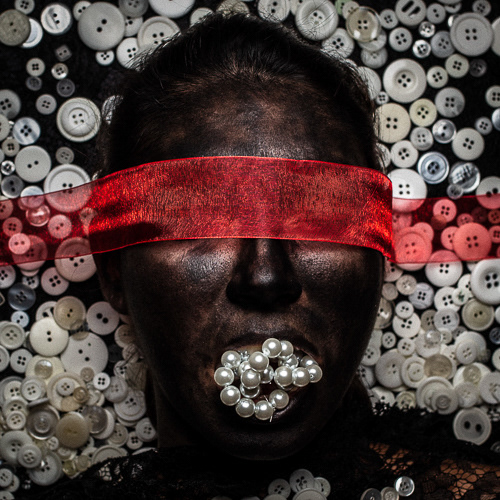
Bombs, Buttons, Pearls
“From the first wave of pearling for buttons to the second wave of fine jewels the pearl hasalways been a dark and hidden history to the natives of Australia”
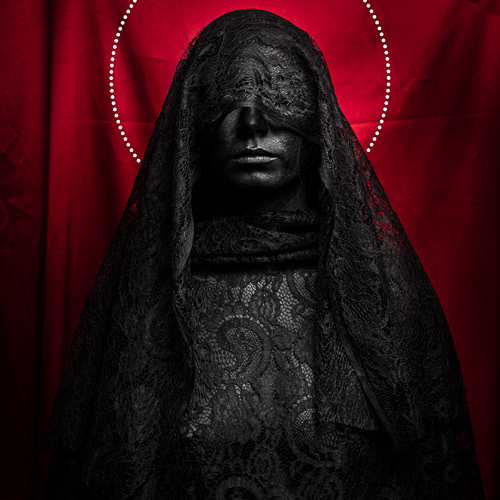
In The Name of Faith
"Under the corruption of religion and protection of commerce, a nation of people was blindedby the false hope of a better place”
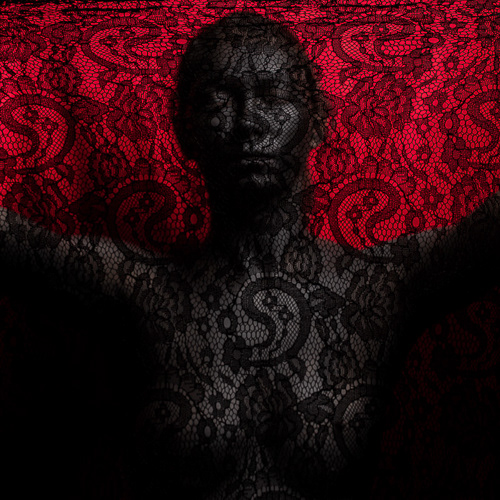
Behind the Veil
“The trade of black skin on these social outskirts have always been hidden behind a veil ofcommerce and the needs of men"
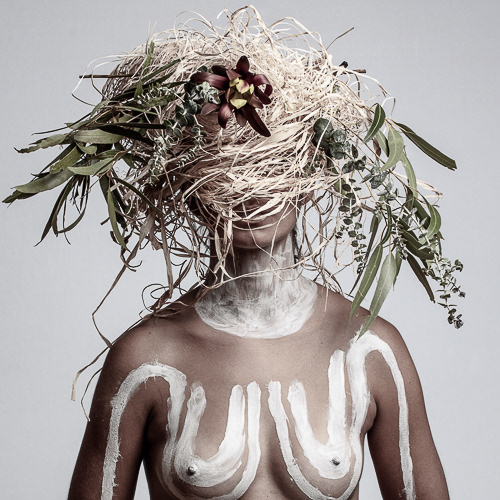
Jarndu (Woman) Stolen
“The native woman beauty and culture beyond the lens of flora that was a treasure to those across the sea”
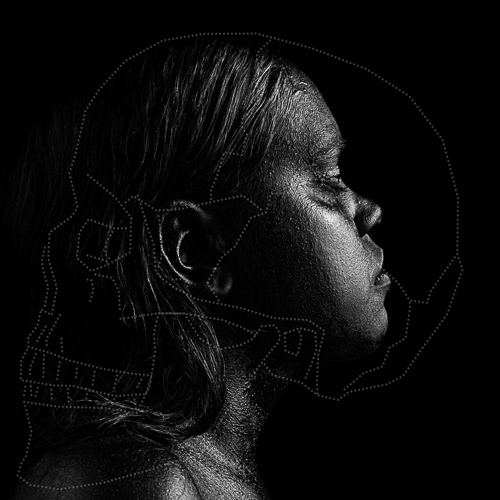
The Soul Within
“The study of the native woman echoed across the sea to the inner world of the skull”
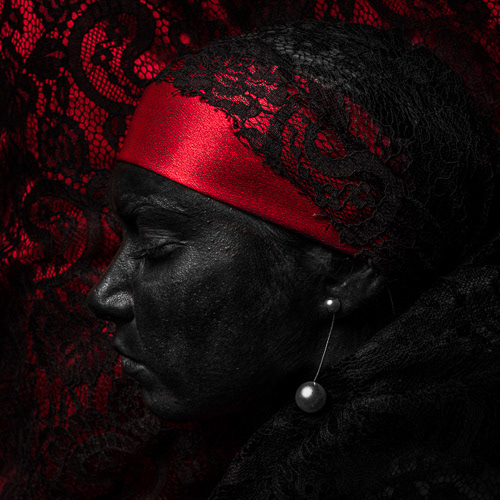
Black Pearl
“The white pearl has evolved over time of its value and importance but only today has theblack pearl been valued”
Shadows in the Archive: An Artistic Review of Michael Jalaru Torres’ COLLECT
In his evocative photographic series COLLECT, Indigenous artist and photographer Michael Jalaru Torres crafts a hauntingly beautiful, conceptually rigorous response to one of the most painful chapters of Australia’s colonial history: the systematic theft, institutionalization, and pseudo-scientific study of Indigenous human remains. Specifically addressing the 19th-century trade that saw ancestral remains funneled into German museums, COLLECT serves as a visual bridge, a reclamation, and a solemn artistic witness coinciding with modern efforts of repatriation.
Rather than merely documenting a historical wrong, Torres uses the fine art lens to transform deep cultural trauma into an active, breathing dialogue about commodification, faith, and survival.
The Haunting Machinery of Extraction
Torres pieces together the exhibition through deliberate, conceptually layered tableaus, each operating as a sharp critique of colonial forces. In "Bombs, Buttons, Pearls," he grounds the critique in the physical extraction of the Australian landscape and its people. By evoking the history of the pearling industry—moving from the early exploitation of labor for buttons to the high-end jewelry trade—Torres exposes a "dark and hidden history to the natives of Australia." The imagery highlights how natural beauty and human bodies were mined side-by-side, viewed through the cold lens of European industry.
This extraction is further unmasked in "Behind the Veil," which confronts the physical economy of colonialism. Torres notes that the "trade of black skin on these social outskirts have always been hidden behind a veil of commerce and the needs of men." The work functions as an interrogation of the gaze—how institutional archives, commercial markets, and colonial greed safely tucked away human atrocities behind structural and polite corporate definitions.
Faith, Science, and the Colonized Body
One of the most biting critiques within the exhibition lies in "In The Name of Faith." Here, Torres links spiritual subjugation with corporate greed, stating that "under the corruption of religion and protection of commerce, a nation of people was blinded by the false hope of a better place.” The photography captures this psychological duality: the imposition of a foreign faith acting as a blindfold while the material assets of a culture—and the physical bodies of its people—were quietly cataloged and shipped away.
The collection reaches an intimate, devastating focus when it shifts to the specific exploitation of Indigenous women. In "Jarndu (Woman) Stolen" and "The Soul Within," Torres masterfully contrasts the shallow, exoticizing gaze of the West with the violent undercurrents of 19th-century phrenology and anthropology. He notes how a woman's intrinsic beauty and culture were flattened into mere "flora" or specimens across the sea, echoing a grim path that led directly "to the inner world of the skull.” The visual tension in these pieces reclaims the sacred space of the Jarndu, pulling her back from the clinical, sterile hands of dead institutions and placing her back into a space of living reverence.
THE COLONIAL EXTRACTION CHAIN [ The Land / Sea ] ──> Pearls, Flora, Natural Wealth │ ▼ [ The People ] ──> Labor, Commodity, "Black Skin" │ ▼ [ The Archive ] ──> Institutions, Phrenology, Skulls
The Awakening of the Black Pearl
The exhibition culminates in a profound statement of contemporary survival and shifting metrics of worth with "Black Pearl." Torres reflects on how the global market has long dictated value—historically elevating the pristine, white pearl while exploiting the environment that created it. By asserting that "only today has the black pearl been valued," the artist delivers a powerful double entendre. He is speaking not just of a gem, but of the invaluable, resilient beauty of Black identity, Indigenous artistic sovereignty, and the ancestral spirits finally demanding their return home.
Final Verdict
COLLECT is an exhibition that does not allow the viewer to remain passive. First exhibited internationally at the Galerie KUB in Leipzig, Germany—confronting the very geographic heart of where these remains were held—Torres’ work uses exquisite lighting, deep contrast, and poetic textual pairings to evoke a sense of solemn majesty. It is an essential, heartbreaking, and ultimately empowering artistic intervention that proves photography's unique power to not only capture what is present, but to summon back what was stolen.